Lead Follow-Up2 min readBy SMB Web Tech
Storm Call Triage for Roofers: Answering Every Inspection
When a Gulf Coast storm hits Houston, roofing phones flood while crews are on roofs. How AI lead follow-up captures every inspection request in seconds.
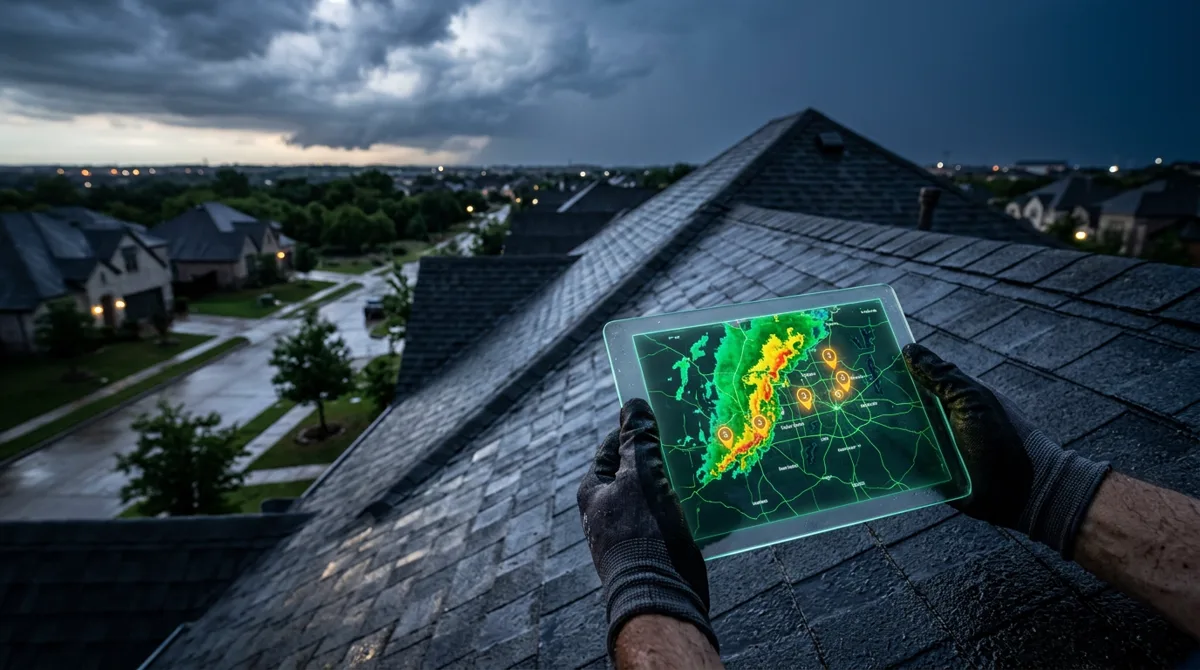
In the roofing business, a single afternoon hailstorm or Gulf Coast squall line can generate a month’s worth of inspection requests in four hours. The catch is that when the phones start ringing off the hook, your estimators and crews are already up on ladders, pulling tarps, or driving between neighborhoods.
If a homeowner spots a ceiling stain or missing ridge shingles and reaches your voicemail, they don’t wait until tomorrow morning — they call the next roofing contractor whose truck or Google listing they see.
Why storm surges overwhelm traditional phone setups
As documented in the Lead Response Management study, responding within five minutes instead of thirty makes a business 21 times more likely to qualify the lead (leadresponsemanagement.org). During a post-storm surge, three things break down at once:
- Simultaneous calls: One office manager can only talk to one homeowner at a time; callers #2, #3, and #4 roll to voicemail while call #1 is still giving their address.
- Incomplete voicemails: Worried callers often leave a first name and phone number without their zip code or whether water is actively coming through the drywall.
- Windshield time: Estimators driving across Houston, Katy, Cypress, The Woodlands, Pearland, or Sugar Land lose hours playing phone tag just to group inspections by neighborhood.
How automated storm triage works for roofing companies
Our AI Receptionist & Lead Follow-Up for Roofers turns every missed or after-hours call into a structured inspection record in seconds:
- Zero busy signals, instant text-back: Every caller who can’t reach a live person gets an immediate text message (or voice pickup) that states clearly it is your roofing company’s AI assistant.
- Collects the four facts your estimator needs:
- Property street address and zip code
- Whether water is actively leaking inside the home right now (tarp emergency vs. standard inspection)
- Approximate roof age and material (architectural shingles, metal, tile, flat commercial TPO)
- Best time window for an estimator to visit
- Escalates active leaks immediately: If water is coming through the ceiling, your on-call crew lead gets an instant text alert with the address.
- Logs everything into your CRM: Routine hail and wind inspections land cleanly in your calendar or CRM (JobNimbus, AccuLynx, HubSpot, or Google Calendar) so your team wakes up to a mapped inspection route instead of 25 voicemails.
Read more on how fast follow-up protects your ad spend in What Missed Calls Really Cost a Small Business and CRM Automation for Small-Business Workflows.