Lead Follow-Up4 min readBy SMB Web Tech
The 5-Minute Rule: Why Slow Replies Lose Home-Service Jobs
A five-minute reply wins jobs that a five-hour one loses. What the research says, why home-service calls are different, and what to do after hours.
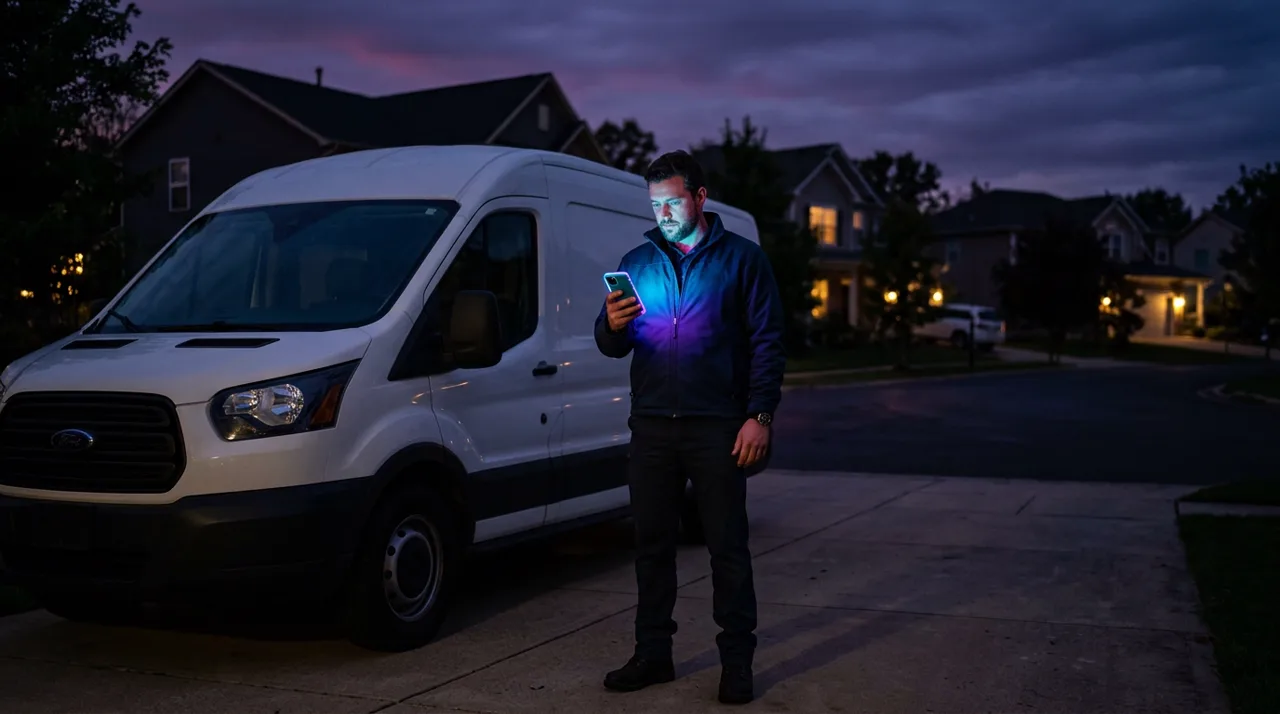
Reply to a call within five minutes and you’re far more likely to win the job than if you wait even half an hour. For HVAC, plumbing, roofing and electrical companies, many of the calls that get away are lost in that gap: the minutes or hours between a phone ringing and someone from your business actually responding.
Where the five-minute rule comes from
The number comes from the Lead Response Management study, run by InsideSales.com with an MIT researcher, which analyzed three years of data across six companies, more than 15,000 leads and over 100,000 call attempts. Its headline findings: the odds of qualifying a lead fall 21-fold if the response time stretches from five minutes to thirty, and the odds of reaching a lead at all drop roughly tenfold within the first hour. (leadresponsemanagement.org)
That study was about sales leads in general, not specifically home-service calls. But the logic is even stronger on the phone: someone standing next to a dead furnace or a flooding garage isn’t going to wait patiently for a call back. They’re going to call the next company on the list.
Why home-service calls are different
A few things make this worse for HVAC, plumbing, roofing and electrical companies than for a typical business:
- Your team is physically unavailable a lot of the time. Techs on a roof or in an attic can’t check the phone between jobs.
- A share of your calls are genuine emergencies. No heat on a freezing night or an active leak can’t wait until Monday, so the caller won’t wait either.
- Calls cluster exactly when you’re busiest, which is also when nobody’s free to answer.
- Many calls never reach a person. A 2016 study by 411 Locals, which monitored the phones of 85 small businesses across 58 industries for 30 days, found only 37.8% of calls were answered by a person; 62% went to voicemail or got no response at all. (411locals.us)
Put those together and a phone that only gets answered during business hours is missing a predictable, recurring chunk of the calls most worth having.
A no-cooling call in a Houston heat wave, a no-heat call on the year’s coldest night, or storm damage after a bad front all arrive in clusters, at the exact hours “we’ll call you back tomorrow” costs you the most.
The gap between five minutes and next morning
Picture the same call handled three ways:
- Answered live: the customer talks to someone, gets an appointment time, and stops looking.
- A text back within seconds: the customer knows you got it, answers a couple of quick questions, and often books without ever speaking to anyone.
- A voicemail, returned the next business morning: by then the customer has often already called someone else, especially if it felt urgent to them.
Nothing about the third outcome is unusual — it’s simply what happens by default when a call rings out after hours. The fix isn’t necessarily a person on call around the clock; it’s making sure something responds within minutes, every time, even when your whole team is out of reach.
What “good” after-hours looks like
A good after-hours setup does three things, in order:
- Responds immediately — a text or an answered call within seconds, not a ring that just stops.
- Sorts real emergencies from what can wait, using rules you set (no heat in freezing weather or an active leak is urgent; a noisy unit or a routine estimate isn’t).
- Gets urgent calls to your on-call person right away, with the address and the problem already collected, so nobody has to call the customer back just to ask the basics.
We go through exactly how that triage works, with real examples for HVAC, plumbing and roofing calls, in AI Receptionist for HVAC, Plumbing and Roofing. And if you want to put an actual dollar figure on what your own missed calls are costing you, What Missed Calls Really Cost a Small Business walks through the five-minute math.
Getting there without disrupting your team
You don’t need to replace your phone system overnight. A sensible order:
- Start with the calls nobody’s answering today — after-hours and the busiest couple of hours in your day. Anything you fix there is a pure gain.
- Add missed-call text-back first. It’s the smallest change with the fastest payoff: when a call goes unanswered, the caller gets a text within seconds instead of dead air.
- Move to an AI receptionist for after-hours calls once text-back is working well, so calls get answered, not just texted back, even at 2 a.m.
- Write your triage rules with your most experienced dispatcher, and read every conversation for the first couple of weeks to fix anything wrong.
What to watch afterward
Once something is answering after hours, track it for a month against your old numbers: how many after-hours calls get a response within five minutes, how many turn into a booked job, and how many still need a person to step in. That last number tells you what to fix next.
You can watch a missed after-hours call turn into a booked job in our missed-call demo, played out with sample data. Our AI lead follow-up service sets up the fast reply and the qualifying questions, and our AI answering service for Houston HVAC, plumbing, roofing and electrical companies covers the full after-hours setup, starting with a free workflow audit.